
Featured Gem Peridot
Featured Gem Peridot

January
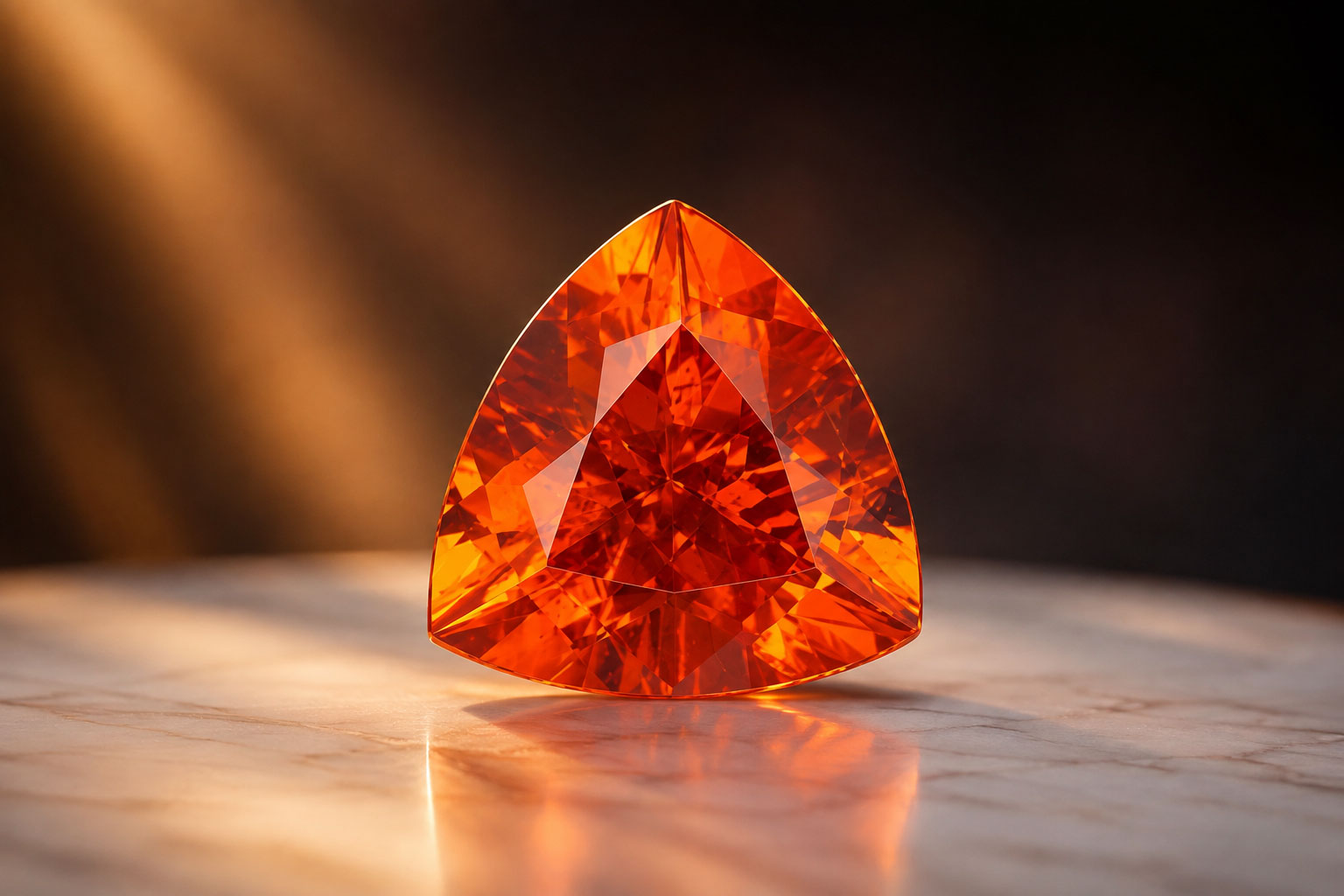
Garnet
Garnets are a set of closely related minerals forming a group, with gemstones in almost every color.
The garnet group of related mineral species offers gems of every hue, including fiery red pyrope, vibrant orange spessartine, and rare
intense-green varieties of grossular and andradite.
February
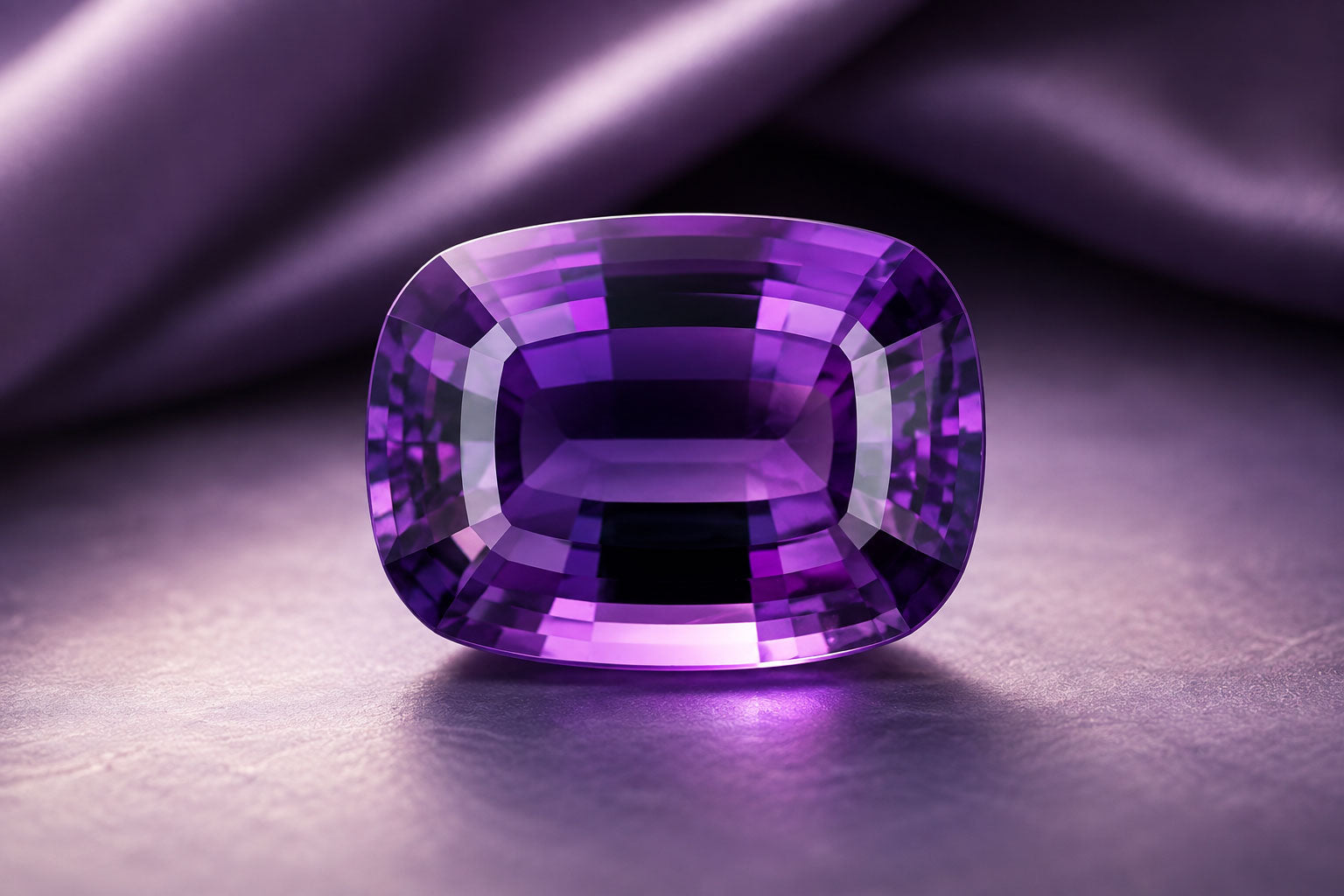
AMETHYST
The essence of the color purple, amethyst is beautiful enough for crown jewels yet affordable enough for class rings.
Purple variety of the mineral quartz, often forms large, six-sided crystals. Fine velvety-colored gems come from African and South American mines. In demand for jewelry at all price points.
March
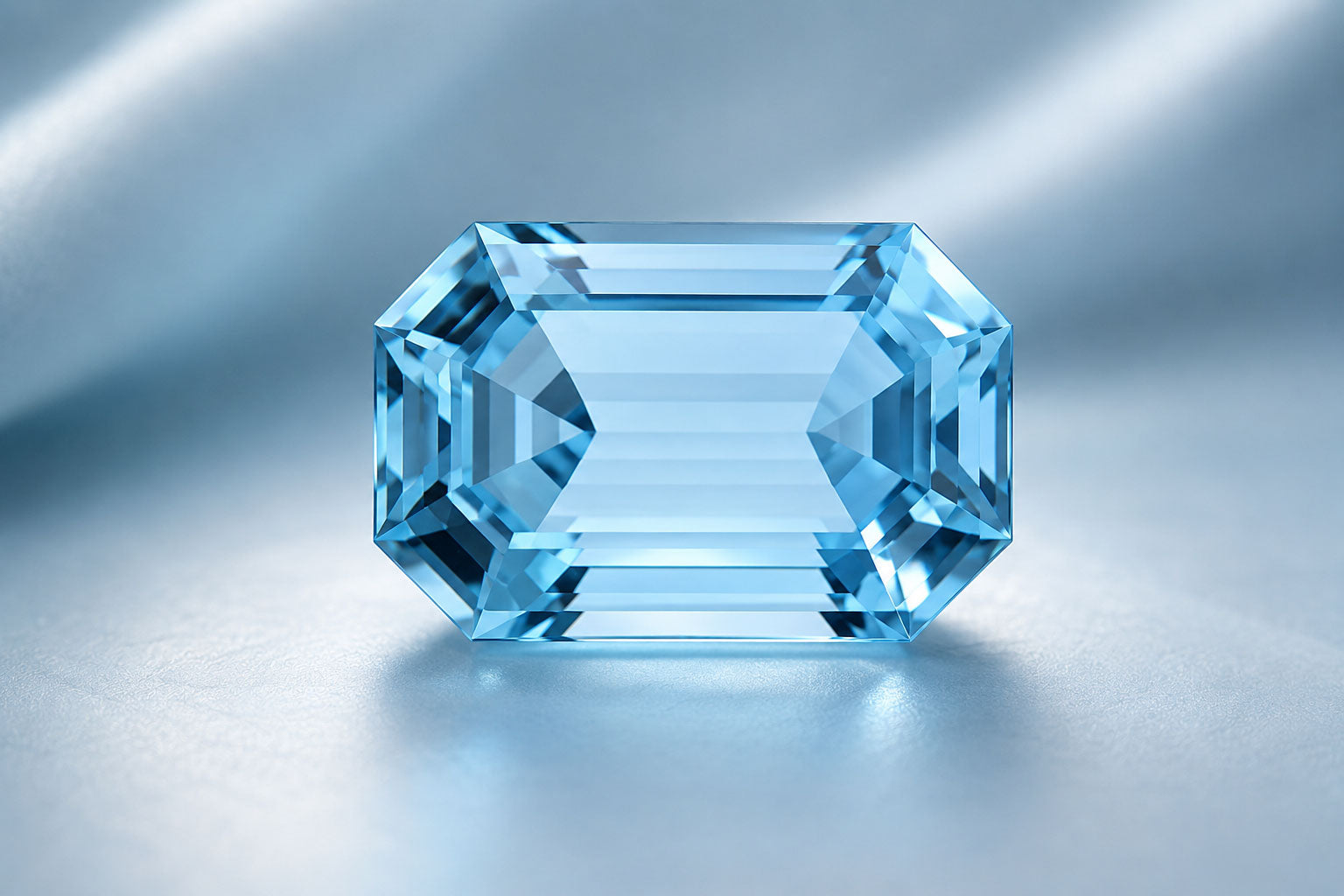
AQUAMARINE
Named after seawater, aquamarine's fresh watery hue is a cool plunge into a refreshing pool.
Blue to slightly greenish-blue variety of the mineral beryl. Crystals are sometimes big enough to cut fashioned gems of more than 100 carats. Well-formed crystals might make superb mineral specimens
April
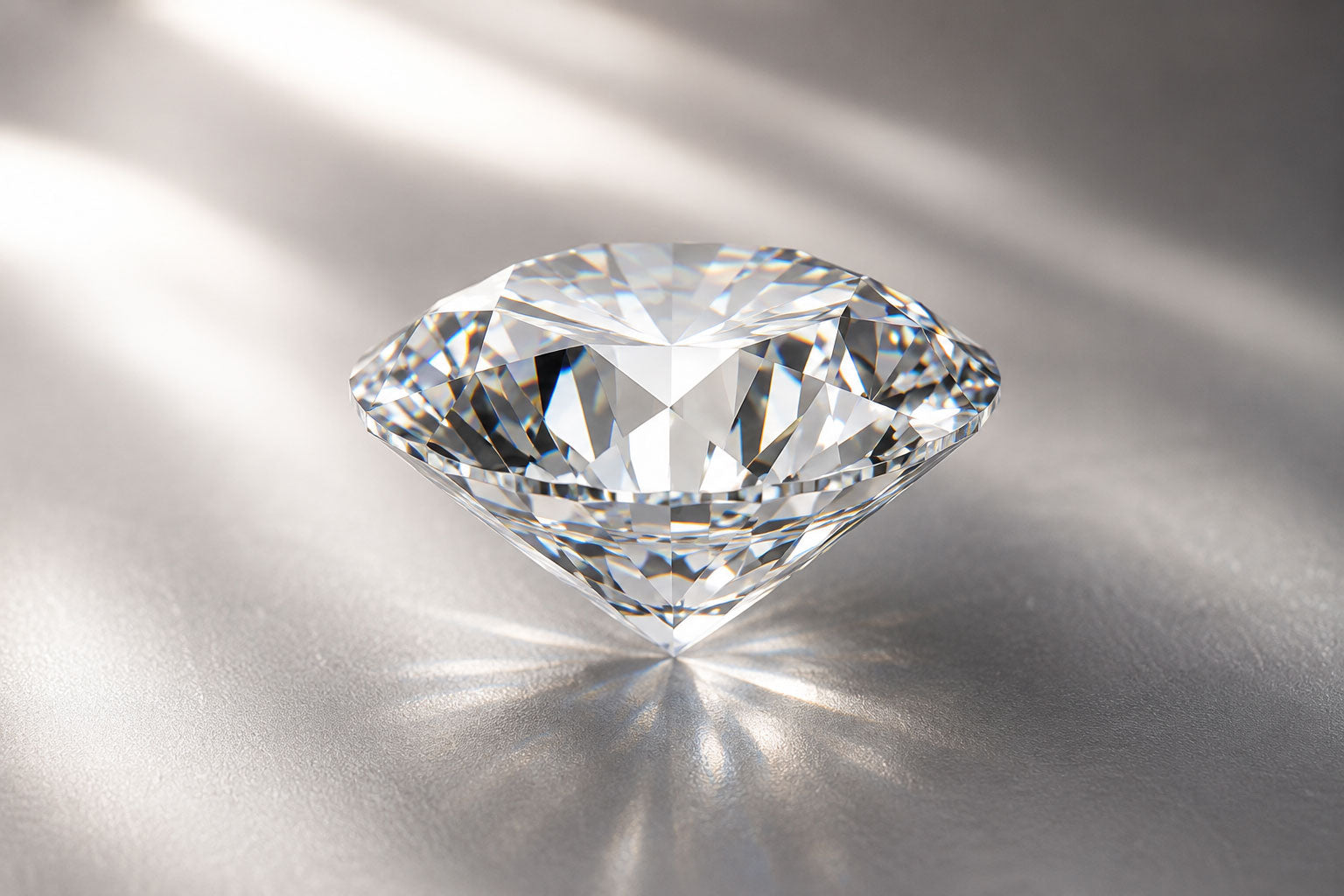
DIAMOND
Diamonds are among nature's most precious and beautiful creations. This hardest gem of all is made of just one element: carbon. It's valued for its colorless nature and purity. Most diamonds are primeval - over a billion years old - and form deep within the earth.
May
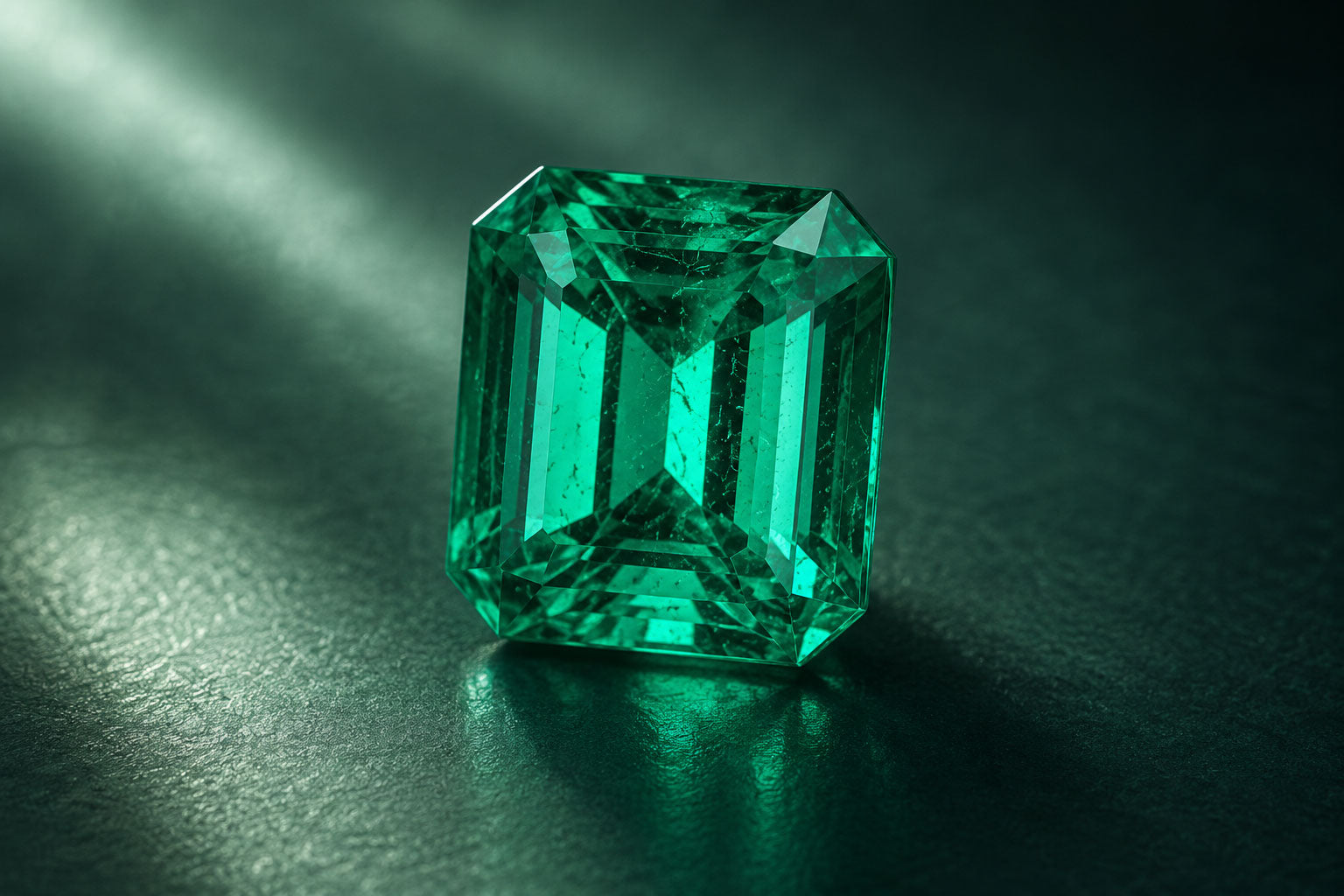
EMERALD
Emerald is the bluish green to green variety of beryl, a mineral species that includes aquamarine.
The most valued variety of beryl, emerald was once cherished by
Spanish conquistadors, Inca kings, Moguls, and pharaohs. Today, fine
gems come from Africa, South America, and Central Asia.
June
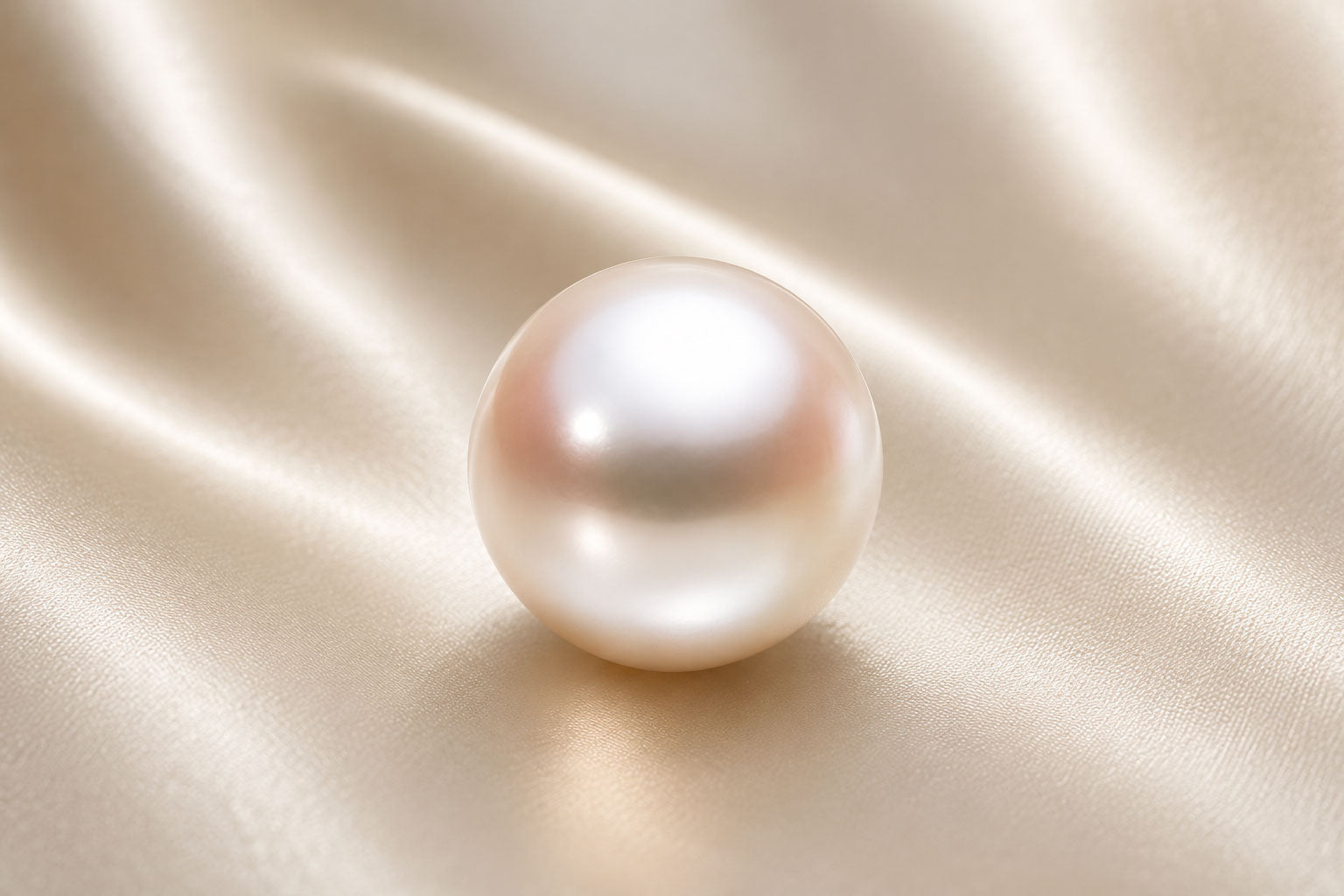
PEARL
Perfect shining spheres. Lustrous baroque forms. Seductive strands, warm to the touch. Pearls are simply and purely organic.
Produced in the bodies of marine and freshwater mollusks naturally or cultured by people with great care. Lustrous, smooth, subtly-colored pearls are jewelry staples, especially as strands.
July
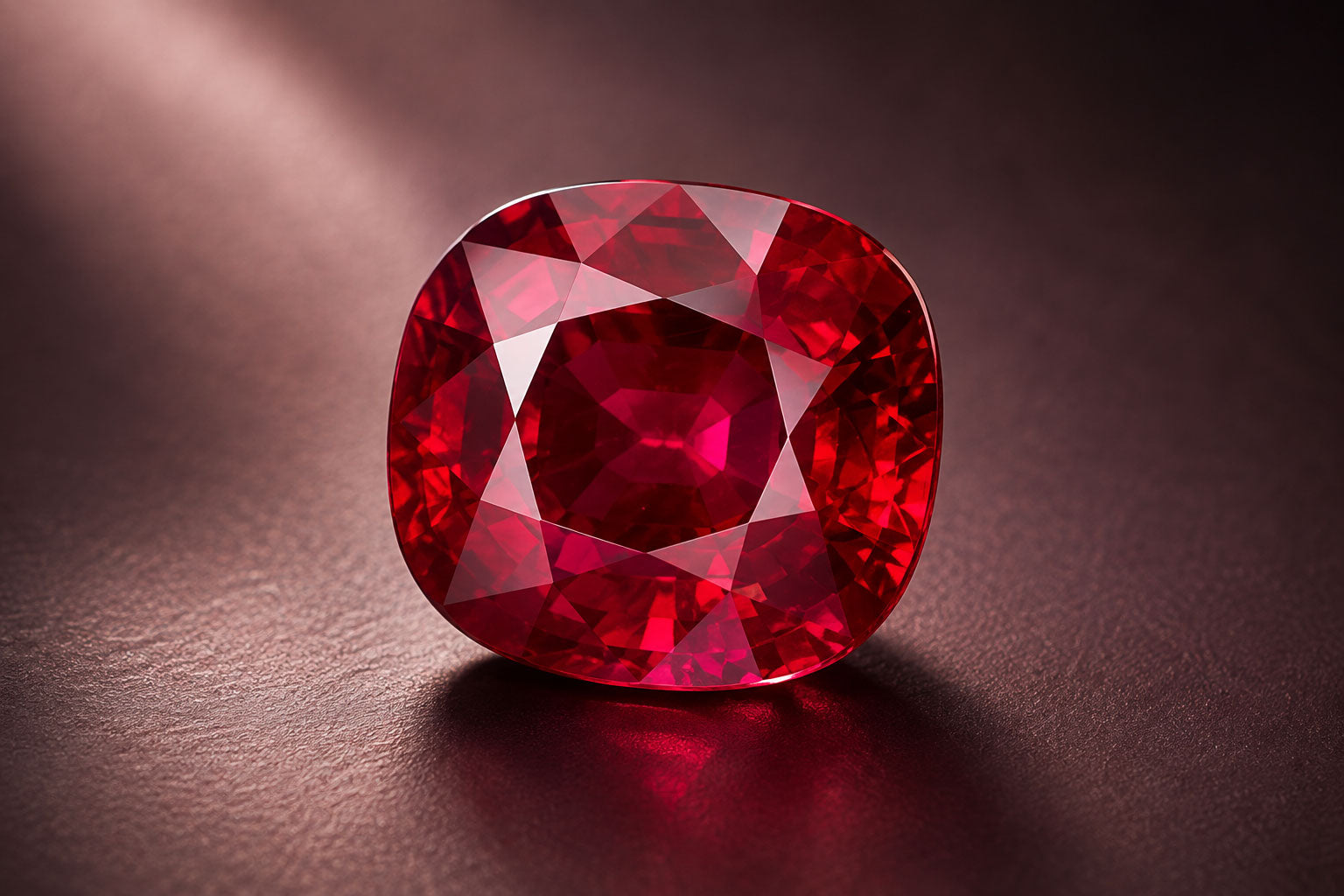
RUBY
Ruby is the most valuable variety of the corundum mineral species, which also includes sapphire.
Traces of chromium give this red variety of the mineral corundum its rich color. Long valued by humans of many cultures. In ancient Sanskrit, ruby was called ratnaraj, or "king of precious stones."
August
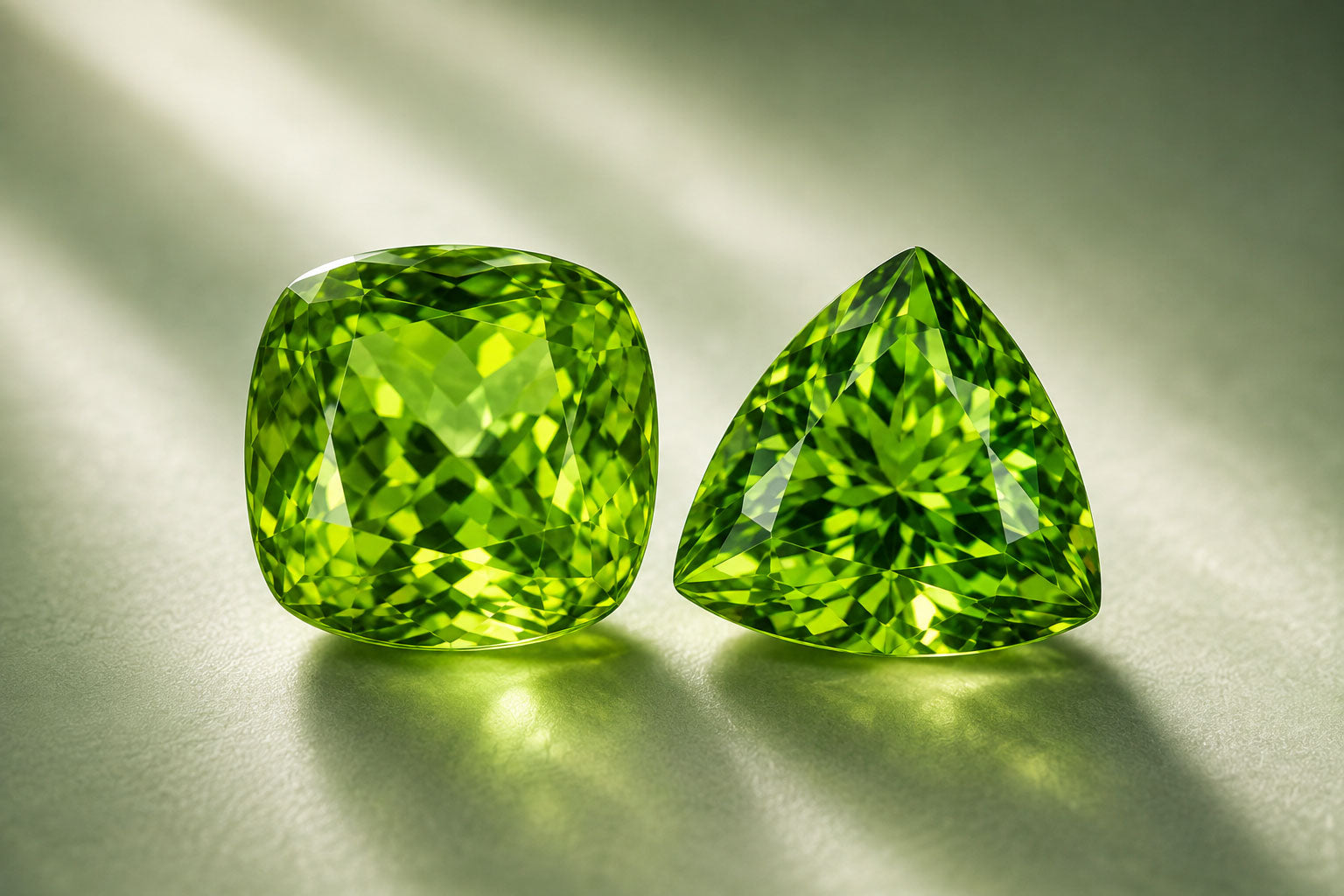
PERIDOT
Found in lava, meteorites, and deep in the earth's mantle, yellow-green peridot is the extreme gem.
Yellow-green gem variety of the mineral olivine. Found as nodules in volcanic rock, occasionally as crystals lining veins in mountains of Myanmar and Pakistan, and occasionally inside meteorites.
September
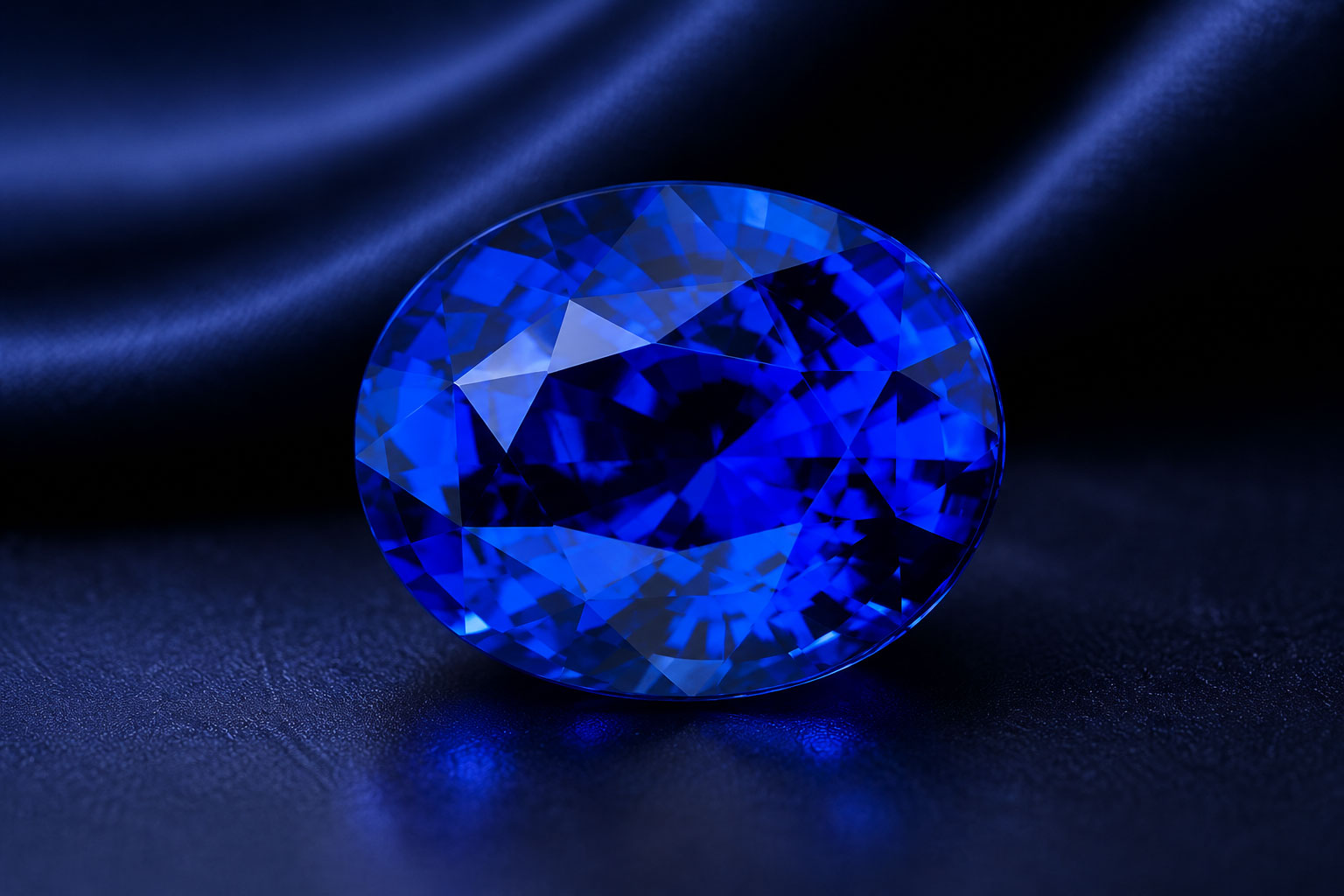
SAPPHIRE
The name "sapphire" can also apply to any corundum that's not ruby, another corundum variety.
Depending on their trace element content, sapphire varieties of the mineral corundum might be blue, yellow, green, orange, pink, purple or even show a six-rayed star if cut as a cabochon.
OCTOBER
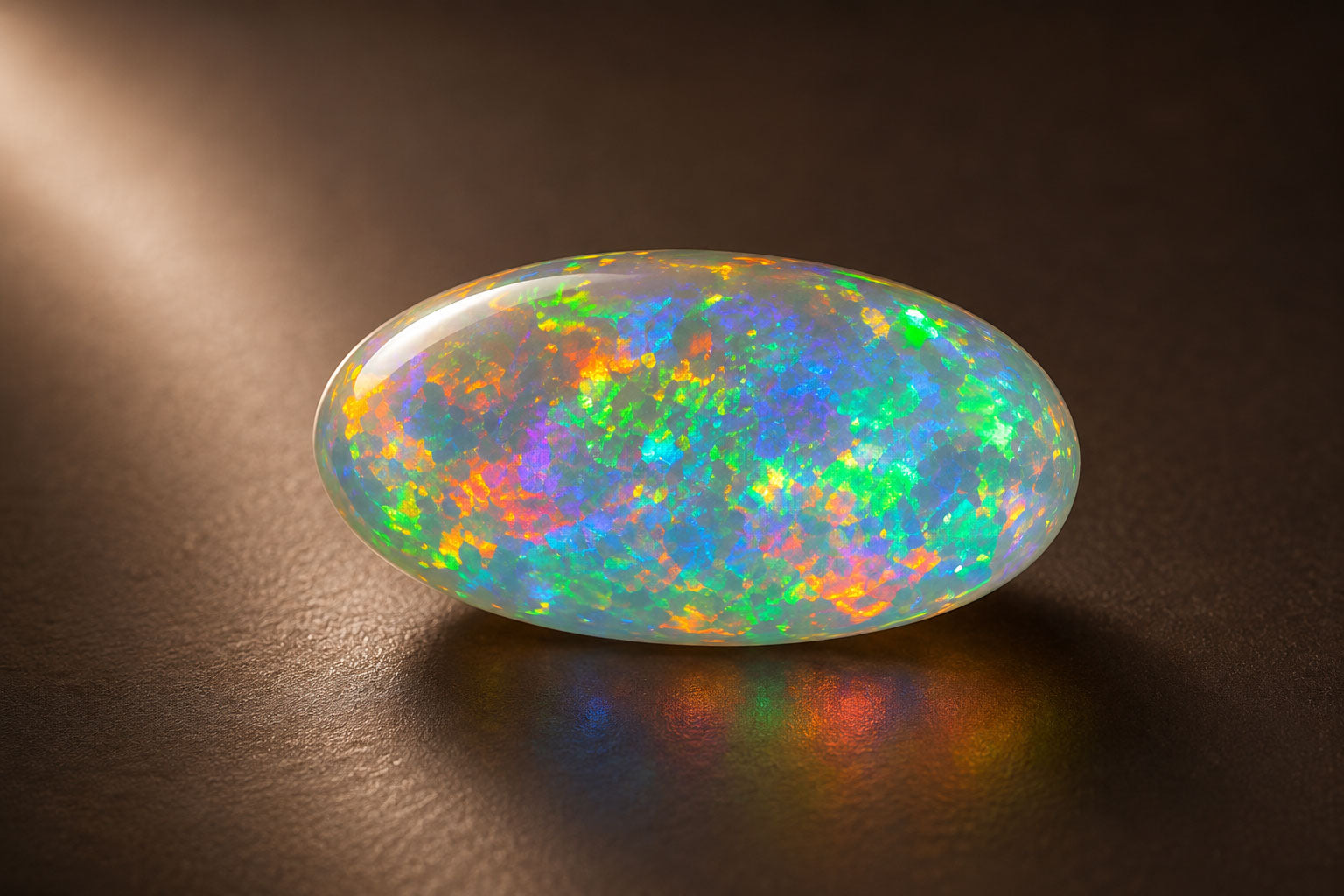
OPAL
Fireworks. Jellyfish. Galaxies. Lightning. Opal's shifting play of kaleidoscopic colors is unlike any other gem.
Opal's microscopic arrays of stacked silica spheres diffract light into a blaze of flashing colors. An opal's color range and pattern help determine its value.
November
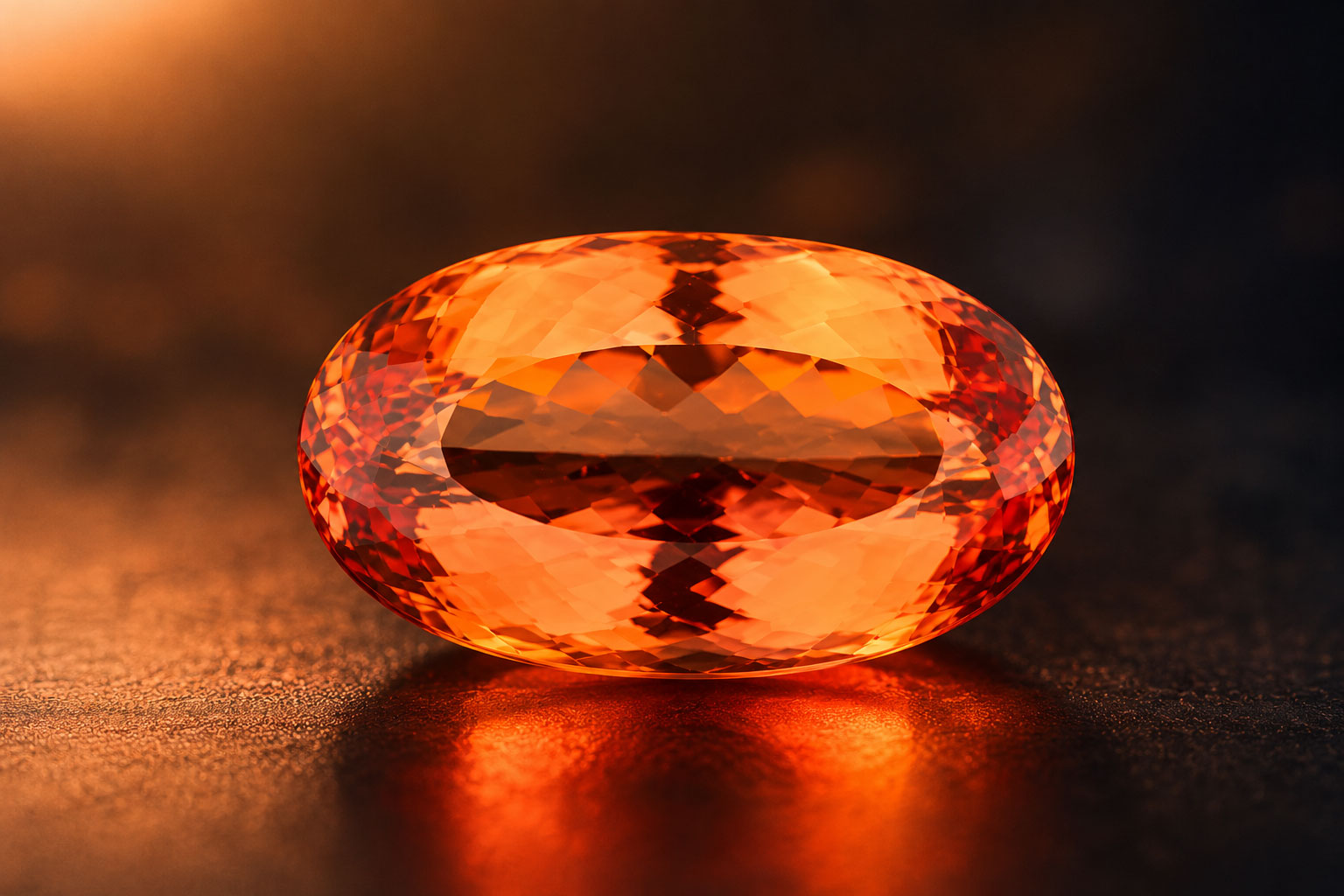
TOPAZ
Honey yellow. Fiery orange. Cyclamen pink. Icy blue. In warm or cool tones, topaz is a lustrous and brilliant gem.
Colorless topaz treated to blue is a mass-market gem. Fine pink-to-red, purple, or orange gems are one-of-a-kind pieces. Top
sources include Ouro Prêto, Brazil, and Russia's Ural Mountains.
DECEMBER
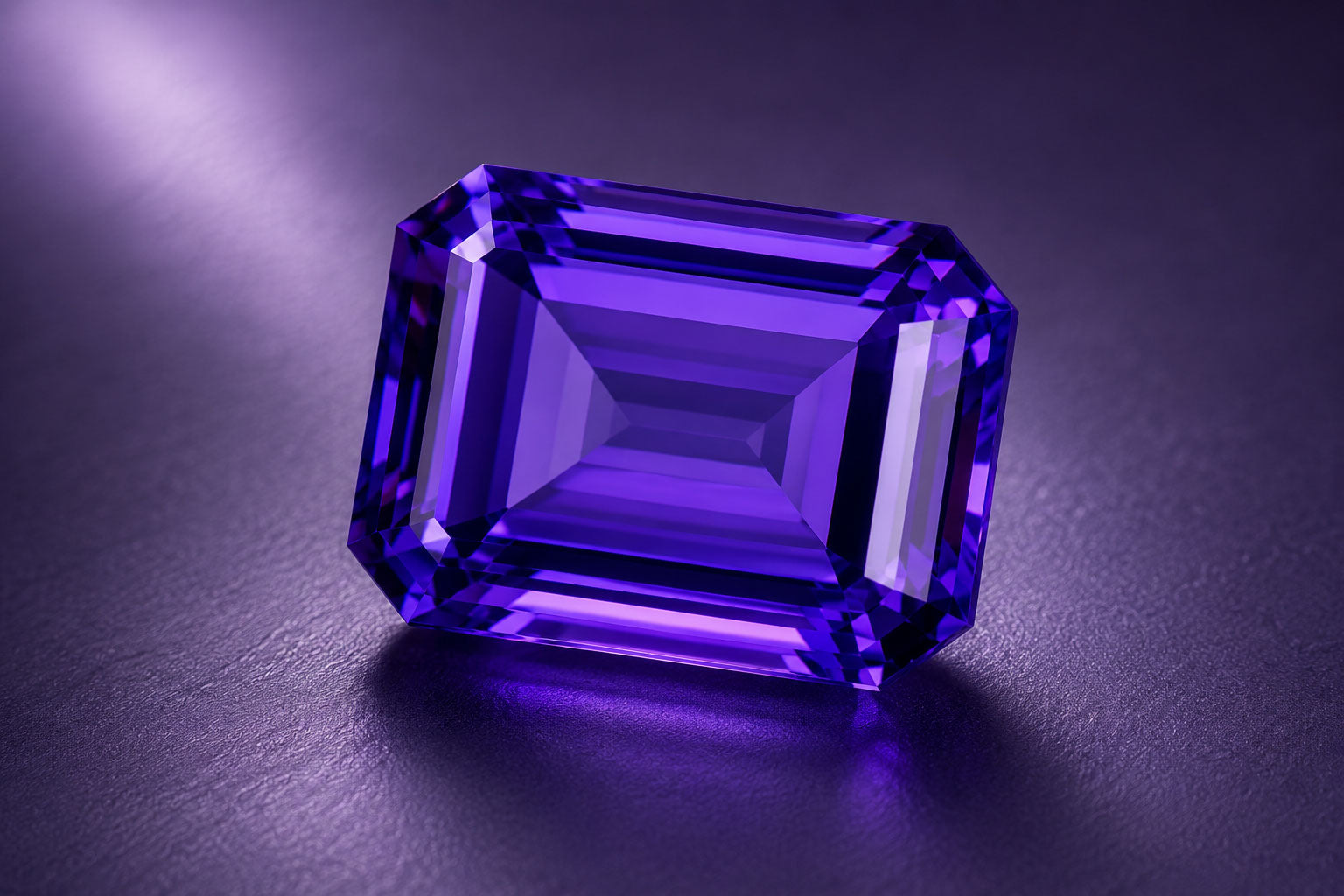
TANZANITE
Lush blue velvet. Rich royal purple. Exotic tanzanite is found in only one place on earth, near majestic Kilimanjaro.
Named for Tanzania, the country where it was discovered in 1967, tanzanite is the blue-to-violet or purple variety of the mineral zoisite. It's become one of the most popular of colored gemstones.